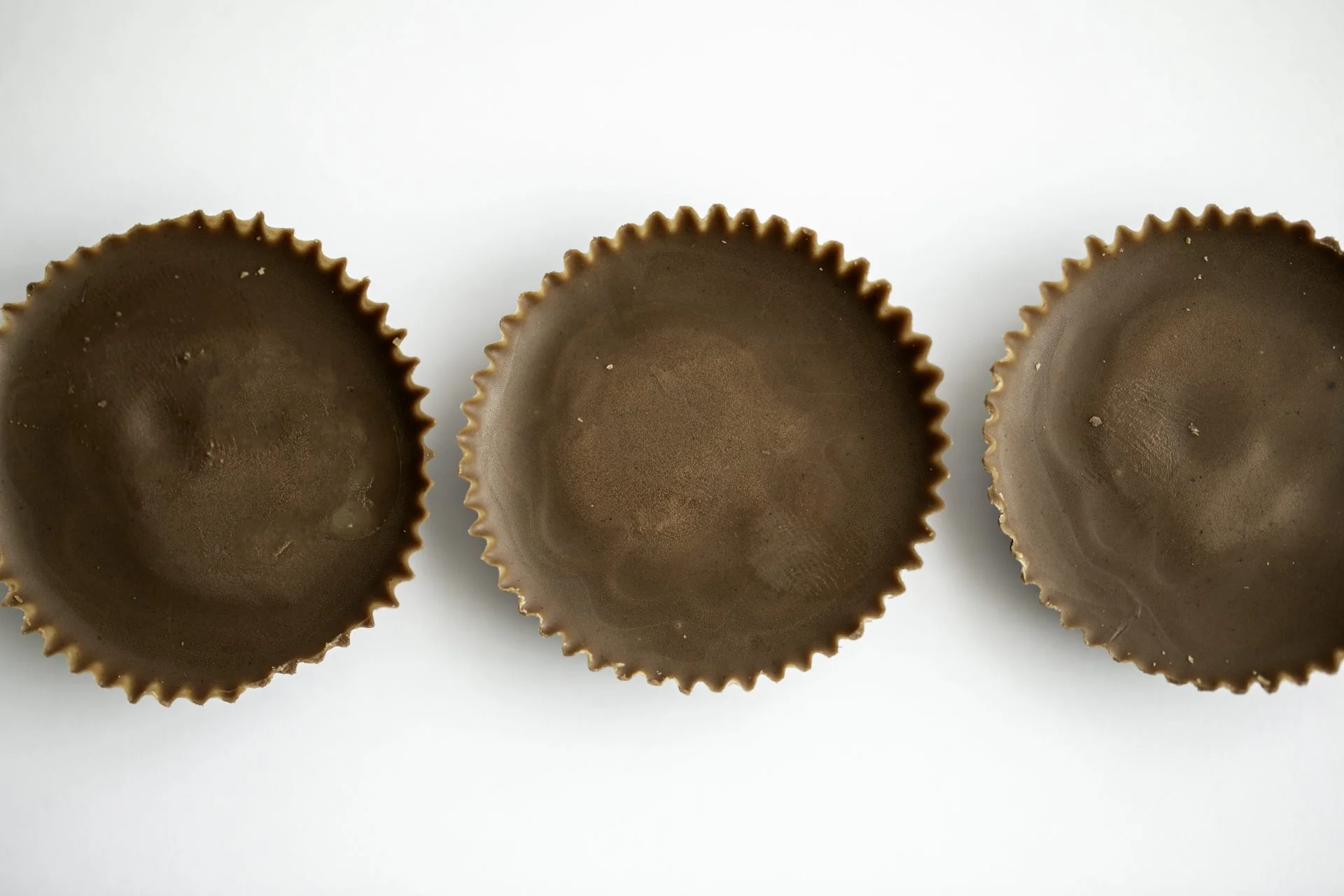
Springtime in Pennsylvania means peanut butter egg season. This year, however, some consumers may find themselves eating those eggs with a more critical eye — and a closer look at the ingredient label.
Reese's, a flagship brand under The Hershey Company, has long defined the chocolate-peanut butter combination. The brand spans a wide range of product formats — or "line extensions" — from peanut butter chips and chocolate peanut butter popcorn to holiday exclusives like the beloved Reese's Peanut Butter Eggs released each Easter.
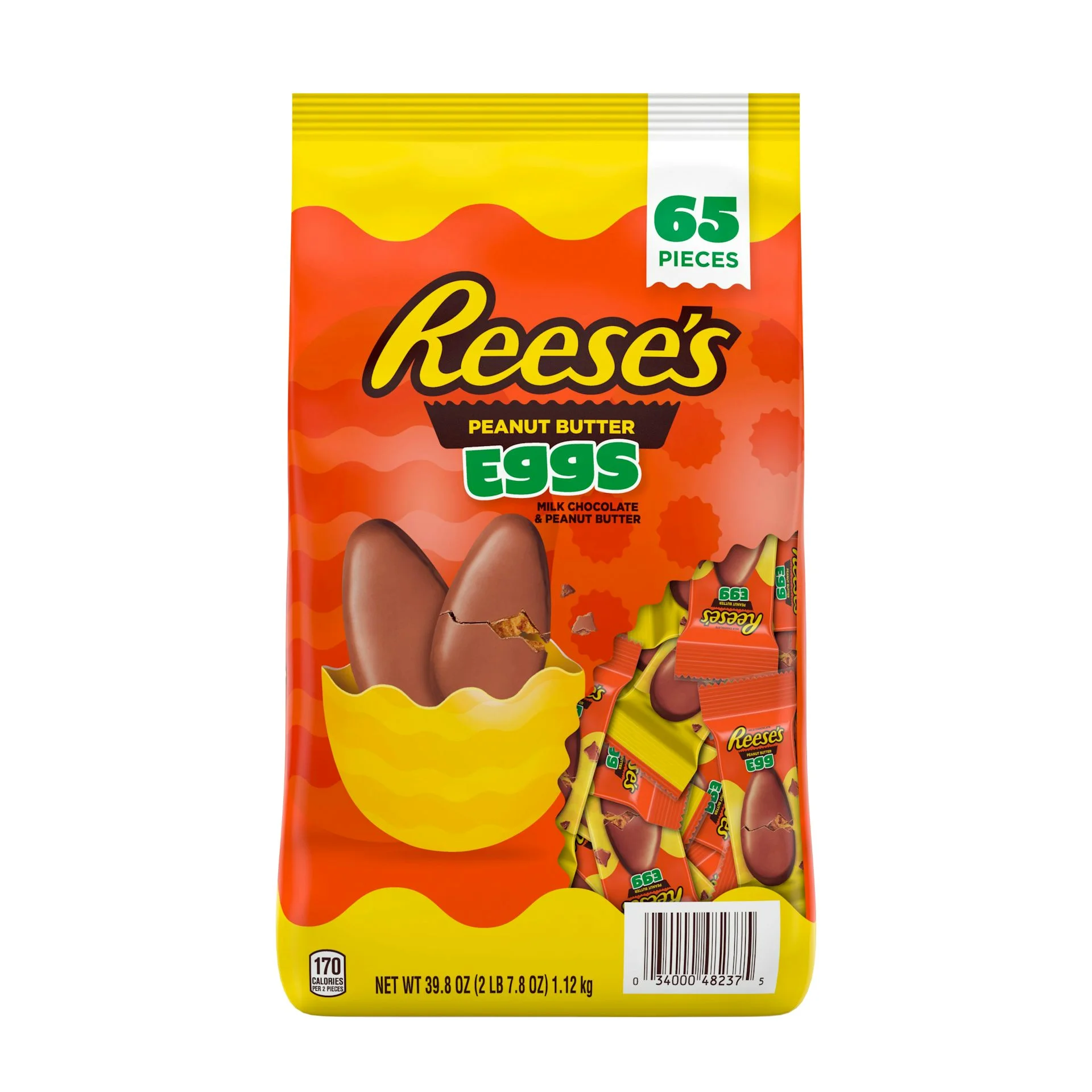
On February 14, 2026, Brad Reese — grandson of the brand's founder — published an open letter taking Hershey to task for rolling out line extensions that trade on Reese's name while using cheaper substitute ingredients. The products in question, mini hearts introduced for Valentine's Day, swap out core components for ingredients like "chocolate candy" coatings and "peanut butter creme."
Those ingredient names may sound familiar, but they don't meet the FDA's standards of identity for milk chocolate and peanut butter — the two defining ingredients in a classic Reese's cup. Under FDA rules, for instance, milk chocolate must contain at least 10% chocolate liquor.
Hershey pushed back in a public statement: "As we've grown and expanded the Reese's product line, we make product recipe adjustments that allow us to make new shapes, sizes and innovations that Reese's fans have come to love and ask for, while always protecting the essence of what makes Reese's unique and special: the perfect combination of chocolate and peanut butter."
I am a certified research chef and food and hospitality professor based in Philadelphia, where I founded the Drexel Food Lab, a culinary innovation and food product development lab. I'm also a lifelong Reese's devotee — when my older daughter was a toddler learning her colors and shapes, I trained her to sort her Halloween haul by setting the orange squares aside for dad.
With decades of experience in product formulation, I'm not surprised to see Reese's ingredient lists evolve. One of my earliest jobs as a corporate R&D intern involved formulating cost reductions for existing products and developing cost-effective line extensions built on established brand equity. What Hershey is doing with Reese's is, frankly, Consumer Packaged Goods Marketing 101.
How food manufacturers respond to rising costs
A lot has changed since H.B. Reese developed his signature peanut butter cup in 1928 in Hershey, Pennsylvania — about two hours northwest of Philadelphia.
Inflation, tariffs, labor and fuel costs, and the growing vulnerability of climate-threatened crops like cacao, vanilla, and sugar — none of which are grown anywhere near Pennsylvania — have made the confectionery business increasingly difficult to navigate.
When costs climb, food manufacturers typically have three levers to pull:
1. Shrink the product. Reese's Peanut Butter Cups have quietly shrunk from 0.9 ounces in the 1980s to 0.75 ounces today — a 17% reduction — a trend widely known as "shrinkflation."
2. Raise prices. There is a market for premium peanut butter cups, but consumer tolerance for Reese's price increases has limits. Most shoppers expect a single-serve candy to cost a couple of dollars at most.
3. Reduce ingredient costs. Beyond operational efficiencies, reformulating a product to reduce or replace expensive ingredients is a standard industry practice for maintaining shelf prices amid volatile supply chains. This is known as "skimpflation" — and it's the crux of Brad Reese's complaint.
Reformulations are routine across the food industry, driven by far more than cost alone. A key supplier might shut down or face shortages. Regulatory changes or shifting consumer attitudes can force ingredient substitutions. Wars, tariffs, and climate change can permanently reshape ingredient availability and cost.
When reformulation is done right — and when it isn't
The sensory and food science tools we teach in Drexel's culinary and food science programs are designed to minimize market disruption and keep consumers largely unaware when formulas change.
One of the most widely used tools is the triangle test: a consumer is presented with three samples — two from the original formula and one from the new version, or vice versa — and asked to identify the odd one out. If tasters consistently pick it out, the reformulation needs more work. If they can't tell the difference, the product may be ready to move forward.
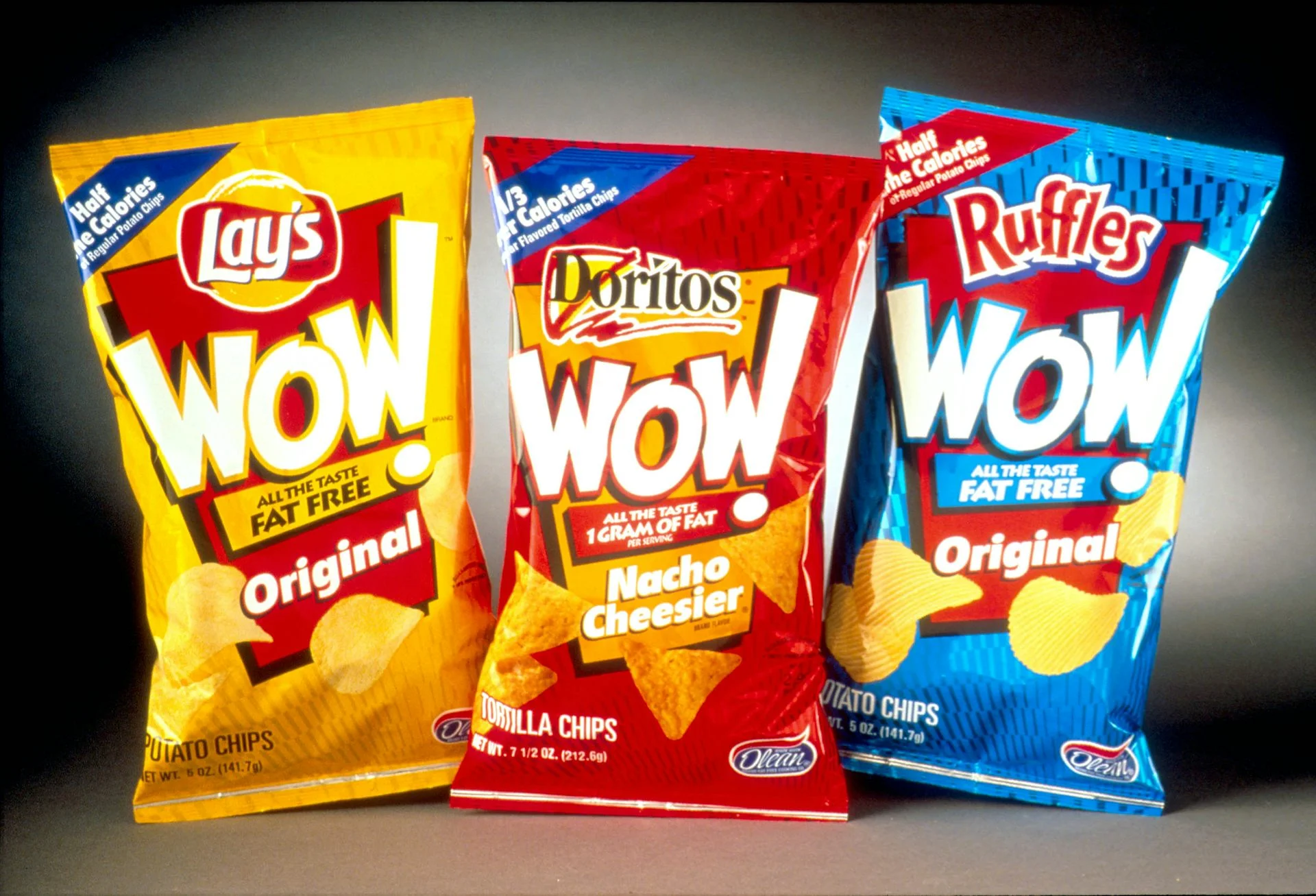
Not every reformulation lands well. Those with longer memories may recall Crystal Pepsi, the McLean Deluxe burger, or Doritos made with olestra. Each failed for different reasons: no clear consumer benefit, a mismatch with brand identity, and damaging headlines over digestive side effects, respectively.
But the vast majority of reformulations go unnoticed — quietly successful work by food technologists committed to keeping products safe, affordable, and good-tasting.
So are these newer Reese's products inferior to the original? That depends on your palate. As with art or wine, if it tastes good to you, it's good. If it doesn't, vote with your wallet — or do what Brad Reese did and write the company a letter.
Read more of our stories about Philadelphia and Pennsylvania, or sign up for our Philadelphia newsletter on Substack.

Jonathan Deutsch has previously consulted with The Hershey Company. The Drexel Food Lab has conducted multiple projects with The Hershey Company.